
Neurofeedback Therapy

What IsNeurofeedback Therapy?

Neurofeedback therapy (also known as EEG biofeedback) is a non-invasive treatment that uses real-time displays of brain activity—typically via electroencephalography (EEG)—to teach people how to self-regulate their brain function.

How Does Neurofeedback Therapy Help?

By using advanced biofeedback technology, neurofeedback helps the brain learn to create healthier, more balanced patterns of activity – improving function from the inside out. Neurofeedback therapy is often used to help improve mental performance, enhance emotional well-being and manage symptoms of certain neurological conditions, such as…

Did You Know?

Neurofeedback is a powerful tool for training the brain to perform at peak performance. Whether you are a professional athlete, a top executive, a weekend warrior, a student athlete, professional or performer, you know that peak performance is essential to your success.

Step 1

Let’s Chat

First, call DoorKey Behavioral Health at 314.798.9994 or request your appointment online for your free 15-min initial consultation. Together, we can determine if Neurofeedback Therapy would be a good fit!

Step 2

Your First Appointment

At DoorKey Behavioral Health, your journey begins with an initial appointment where we take time to understand your symptoms, life experiences, and personal goals.

We listen carefully to your concerns and help you sort through your symptoms or illness. Whether you have a specific diagnosis or are seeking a more general understanding of your health, we can help.

Step 3

In-office QEEG commonly known as Brain Mapping

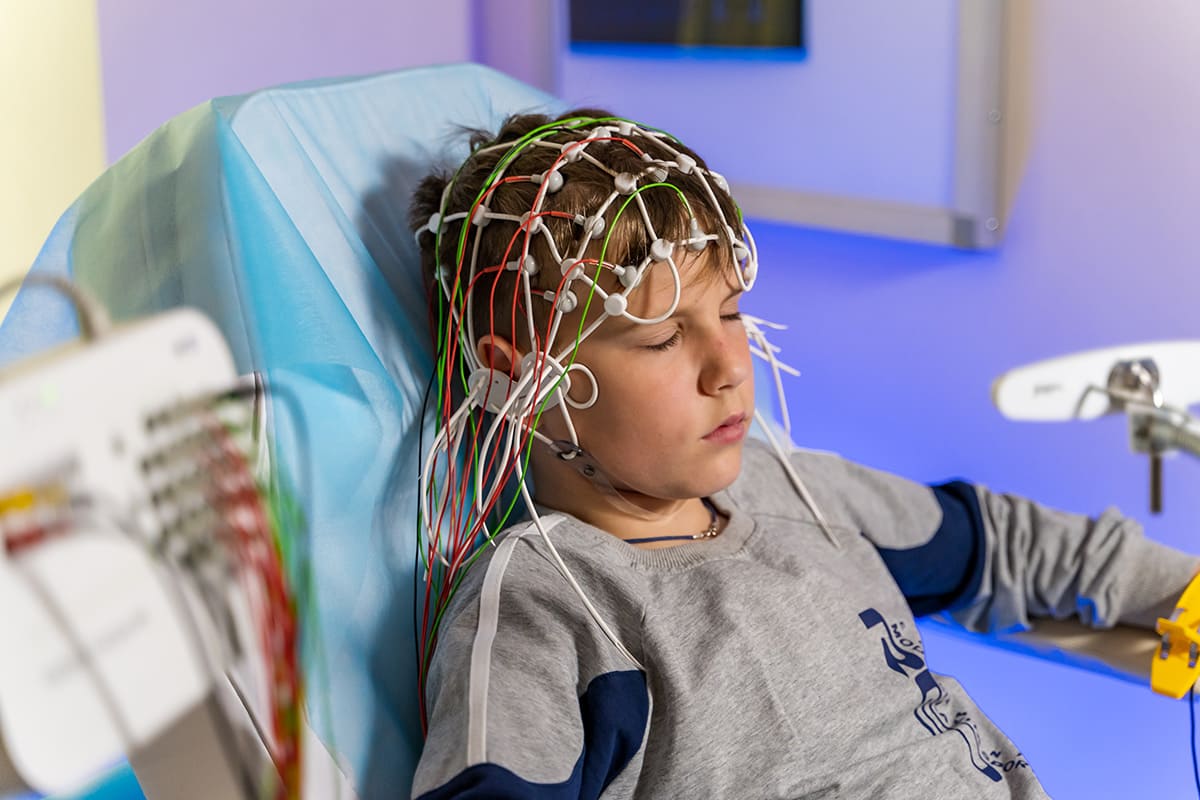
Next, we perform an in-office QEEG (quantitative electroencephalogram) also known as a “brain map”. A QEEG brain scan gives a detailed reading of the brain’s electrical activity. 

Individuals are hooked up to a computer using wires and sensors, the computer records their brainwave activity. These sensors are non-invasive, as no electrical current is put into the brain.

Step 4

Findings and Recommendations

Together we review the electroencephalogram, a report of the electrical activity within your brain that provides detailed information about brain function.

This helps us create a customized care plan tailored specifically to your needs. We believe in providing personalized, drug-free solutions to help retrain and naturally heal the brain for lasting wellness.

Step 5

Neurofeedback Therapy “Brain Training” Sessions

Get started training your brain!

Neurofeedback is a leading-edge brain therapy method that’s both safe and natural. By monitoring brainwave activity through sensors, neurofeedback provides real-time feedback to teach the brain to regulate its electrical energy more efficiently.

We provide you with resources and tools to help you have a better brain and a better life — now and in the future.


Overcoming Mental Stress, Anxiety & Depression

What if stress, anxiety, or depression weren’t part of your identity, but simply the result of misfiring brainwaves? With neurofeedback, those patterns can be mapped and retrained—drug-free. This isn’t science fiction; it’s neuroscience, and it’s available today.

Constant symptoms from stress, anxiety and depression can overload the body and disrupt normal brainwave patterns, often from overstimulation. This imbalance leads to abnormal responses to everyday situations. Neurofeedback helps restore healthy brainwave activity.

Mental stress disorders are often treated with antidepressants (SSRIs), which boost serotonin—the “feel good” chemical. While they can provide short-term relief, they don’t address the root cause of the problem.

While medications may help temporarily, they don’t correct brainwave imbalances. In fact, they can sometimes worsen irregular brainwave patterns, creating more symptoms and a cycle of ongoing stress.

Neurofeedback, or EEG Biofeedback, is a guided exercise for the brain that retrains unhealthy brainwave patterns. By restoring balance and organization, it helps the brain become more stable, efficient, and able to function at its best.

“The results that I had from BrainCore therapy were phenomenal.”

Improve Attention & Focus

What attention and focus issues look like in a person struggling with this disorder is the inability to focus or concentrate, becoming easily distracted, overwhelmed, or frustrated. Neurofeedback therapy is effective for the treatment of ADHD. Attention-deficit/hyperactivity disorder (ADHD) is a neurodevelopmental disorder that affects a person’s ability to focus and control impulses.

Attention and focus issues often appear as difficulty concentrating, frequent distraction, or feeling overwhelmed and frustrated. They can also lead to anger outbursts, unfinished tasks, restlessness, and challenges with social connection.

Attention and focus issues are often treated with medication, which stimulates dopamine—the neurotransmitter linked to pleasure, attention, and movement. While medications can reduce symptoms, they don’t address the underlying cause.

Medication doesn’t cure attention and focus issues—it only manages symptoms while in use. Results vary, and lasting improvement requires a different approach.

Neurofeedback aims to retrain abnormal brainwave patterns, helping the brain become stable, organized, and able to function at its best.

"Ryan is starting 3rd grade, and for the first time ever, he is not only excited, but he is prepared."

Neurofeedback Therapy Helps Brain Fog & Forgetfullness

Memory problems, brain fog, and forgetfulness can affect daily life, making it hard to focus, recall information, or stay organized. Neurofeedback therapy offers a non-invasive, drug-free approach to support brain function and improve cognitive clarity.

Memory loss can show up as difficulty remembering names or appointments, trouble focusing, feeling mentally “foggy,” and struggling to recall recent events or information.

Brain function relies on coordinated brainwaves communicating across trillions of neurons. Imbalances in these brainwaves can reduce cognitive performance and accelerate memory loss symptoms.

Traditional treatments may include medications, lifestyle changes, and cognitive exercises. While these can help manage symptoms, they often don’t address underlying brainwave imbalances that affect memory and focus.

When memory starts to decline, supporting the brain is essential. Neurofeedback is a clinically proven way to improve brain function and help restore cognitive clarity.

Neurofeedback retrains the brain to improve communication between regions, enhancing memory, focus, and mental clarity. By restoring balanced brainwave patterns, it helps the brain function more efficiently and reduces cognitive fog.

"BrainCore is giving me back part of my life — literally.”

Train Your Brain for Physical and Mental Excellence

Peak performance isn’t just about the body—it’s about the brain. Whether you’re an athlete, executive, performer, or student, high-level success depends on both physical and mental fitness. Neurofeedback offers a scientifically proven way to optimize brain function, giving you a competitive edge and supporting overall health.

High demands, stress, and prolonged fight-or-flight responses can disrupt brain function. Over time, this imbalance reduces focus, decision-making, and overall physical and mental performance.

Neurofeedback can enhance mental clarity, focus, memory, adaptability, processing speed, and the depth and quality of sleep—supporting both mental and physical stamina.

By training the brain to form new neural pathways, neurofeedback optimizes brainwave patterns, improving communication between the brain and body. The result is better cognition, quicker decision-making, and peak performance across mental and physical domains.

Neurotherapy for Autism: Supporting the Brain for Better Functioning

Autism spectrum disorder (ASD) affects how the brain processes information, impacting communication, focus, and behavior. Neurofeedback therapy offers a non-invasive, drug-free approach to support brain function and promote healthier patterns.

Autism can cause atypical brainwave activity, leading to challenges with communication, focus, sensory processing, and social interactions. These irregular patterns make it harder for the brain to respond to stimuli in a balanced way.

Treatment often includes behavioral therapies, educational interventions, and sometimes medications. These approaches aim to manage symptoms and improve daily functioning, but they don’t always address underlying brainwave imbalances.

Medications may help with specific symptoms but don’t correct the root cause. They can also have side effects and do not provide lasting improvements once discontinued.

Neurofeedback retrains abnormal brainwave patterns, helping the brain function more efficiently. By improving brain stability and organization, it can support better focus, behavior regulation, and overall cognitive functioning.

Find Relief from Insomnia, Sleepnessness and Sleep Struggles

Stress, trauma, and constant overthinking can disrupt normal brainwave function, leading to insomnia and restless nights. BrainCore Neurofeedback maps your brain to identify these imbalances and target them for correction.

Sleep problems can take a serious toll—causing irritability, fatigue, poor focus, and increased health risks like obesity, hypertension, diabetes, and heart disease. Around 10–15% of people worldwide struggle with chronic sleep issues, which only become harder to treat over time. Addressing symptoms early and seeking proper evaluation is key to lasting relief.

Sleep issues were once viewed mainly as behavioral problems, but new research shows a deeper cause. Studies suggest the brain may struggle to process information properly due to cortical hyperarousal, leading to abnormal brainwave activity.

Clinical studies show neurofeedback is a safe, natural way to improve sleep—especially for those who have struggled long-term. With BrainCore Neurofeedback, you can retrain your brain to fall asleep, stay asleep, and wake up with more energy, health, and wellbeing.

BrainCore Neurofeedback can make a lasting difference in your sleep. By identifying and retraining the brainwave imbalances that disrupt rest, this therapy rewards the brain for creating healthier patterns. Over time, your brain develops new pathways, improving function so you can fall asleep faster, stay asleep longer, and wake up refreshed.

"BrainCore therapy made me feel like I was a better person, and like I could do anything."

Find Headache Relief Naturally Through Brain Training

Headaches can be triggered due to many factors; ranging from hormonal imbalance, light sensitivity, allergies and dehydration to neuro-metabolic issues. This leaves your brain in a high state of stress and imbalance. The results are a variety of symptoms that take their toll on your life including inability to focus, mood swings and throbbing pain.

Headaches put your brain in a heightened stress state, increasing sympathetic activity and reducing parasympathetic function. This creates brainwave imbalances that disrupt normal brain activity. If the headache persists, the stress response can become chronic, making it harder for the brain to restore balance.

Headaches are often treated with medication, but research shows up to 84% of users are dissatisfied with the results. While medications can temporarily block pain, they don’t address the underlying brainwave imbalances that contribute to headaches. Short-term relief comes at the cost of potential side effects and addiction, making medication an incomplete long-term solution.

Neurofeedback is a scientifically proven method that retrains the brain to form healthier patterns and responses to stress and triggers. This improves brainwave function, resulting in a calmer, healthier brain with fewer symptoms. Studies show over 54% of participants experience complete relief, and 99% report reduced pain and symptoms. By restoring balance and function, neurofeedback supports optimal brain health and overall well-being.

“Thanks to BrainCore, I am not living in fear of my headaches anymore.”

Break Free from Negative Moods and Reclaim Your Life

Negative moods affect millions of adults, causing fatigue, sadness, brain fog, and social withdrawal. Research shows that abnormal brainwave activity—especially reduced activity in the left prefrontal cortex—can contribute to persistent low moods. Neurofeedback offers a natural, drug-free approach to restore balance and improve mood.

Negative moods can result from a mix of genetics, brain chemistry, lifestyle, environment, personality, and stress. When the left side of the brain slows down, it affects positive thinking, social engagement, energy, and sleep, making moods persistently low.

Traditional treatments include therapy, lifestyle changes, and sometimes medications. These can help manage symptoms, but they often don’t address the underlying brainwave imbalance that contributes to prolonged negative moods.

Medications may provide short-term relief but do not correct abnormal brainwave patterns. They also carry the risk of side effects and do not provide a long-term solution for mood regulation.

Neurofeedback retrains brainwave patterns, increasing left-brain activity to support positive mood and reducing abnormal patterns that cause negativity. Over a series of sessions, brain function improves, energy is restored, and mood becomes more balanced naturally.

“Now, I’m focused and I’m going…”

Breaking the Cycle of Substance Abuse with Neurofeedback

Substance use disorders impact the brain’s reward, motivation, and memory circuits, making recovery challenging. Neurofeedback offers a drug-free, scientifically supported approach to retrain the brain, support abstinence, and enhance recovery efforts.

Substance use disorders are chronic conditions involving the brain’s reward and motivation circuits. Dysfunction in these systems, combined with stress, trauma, or negative moods, can lead individuals to seek substances for relief or reward.

Recovery often requires addressing both the substance use and underlying factors such as mental stress, trauma, or co-occurring conditions. Combining therapy, support programs, and brain-based interventions increases the likelihood of long-term success.

Yes. Neurofeedback retrains brainwave patterns, improving brain function and supporting abstinence. Studies show it enhances the effectiveness of recovery programs and helps individuals maintain long-term sobriety.

Pause.

Not for a minute. Not even for ten seconds. Just for one breath.

You don’t need to push yourself to calm down. You don’t need to fix anything. You don’t have to figure it all out in this moment.

Simply stop and notice—right now, you are here.

I’m Tonya Winingar, a Licensed Professional Counselor, Behavioral Health Coach, and Certified Neurofeedback Therapist. Over the years, I’ve guided people through some of their hardest and heaviest moments. And what I’ve seen, time and again, is this: the intensity you’re feeling is not who you are.

What’s happening inside you is your nervous system firing off an alarm. It’s designed to keep you alive, not to keep you calm. That surge of chaos you feel? That’s biology—not failure. And just as it comes on strong, it can be soothed.

So let’s do something together—something simple and physical, a reset button for your body’s alarm system.

Place your hand on your chest.

Notice the gentle lift as you breathe in. The soft fall as you breathe out. This steady rhythm is your reminder—you’re alive, you’re present, and you’re safe in this moment.

Keep your hand there.

Your mind may be insisting there are hundreds of things demanding your attention. But the truth? Right now, you only have three choices. And you only need to choose one.